High-performing firms in 2026 use AI as a workflow layer, not as a standalone novelty tool. The strongest outcomes come from combining research assistants, drafting copilots, intake systems, and legal operations reporting into one coherent delivery model.
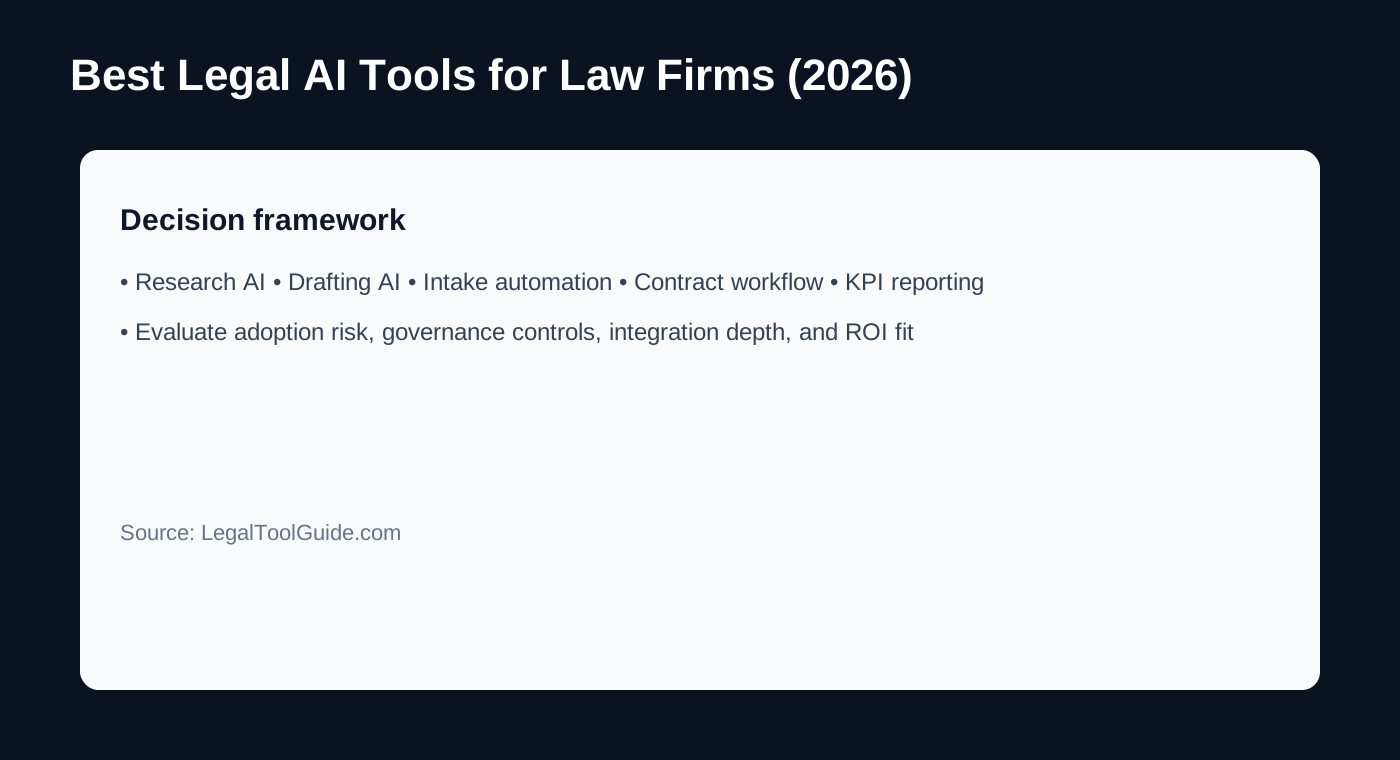
Executive Summary Table
| Workflow area | What to prioritize | Representative tools |
|---|---|---|
| Research | Accuracy, citation confidence, jurisdiction fit | vLex, Lexis+ AI, Casetext-era workflows |
| Drafting | Clause quality, policy controls, version discipline | Spellbook, Harvey integrations, custom copilots |
| Intake | Structured data capture and triage speed | Lawmatics, Clio Grow, IntakeQ |
| Contract flow | Approval routing and redlining governance | Ironclad, DocuSign CLM, ContractPodAi |
| Ops reporting | KPI visibility and executive reporting | Databox + internal legal ops stack |
How to choose legal AI tools without creating workflow debt
Start with bottlenecks, not shiny features. If intake is broken, drafting AI won’t fix your throughput. If approvals are unclear, contract AI won’t reduce risk. Selection order should follow operational friction.
- Map your top three delays in the legal workflow.
- Pick one AI layer that directly resolves each delay.
- Measure adoption behavior before expanding stack complexity.
Implementation guidance for law firms
Run a 90-day rollout in phases: one practice group, one process, one KPI baseline. This avoids AI sprawl and gives management clear ROI evidence.
This content is for educational purposes only and does not constitute legal advice. Always consult a qualified attorney.
Conclusion
The best legal AI tools for law firms are the ones that strengthen operational consistency, not just drafting speed. Build your stack around workflow fit, governance, and measurable performance.
Tools mentioned in this article
Related reads: Best Enterprise CLM Platforms (2026 Guide) · What Is Contract Lifecycle Management? · Ironclad Review